

Knee pain that won't go away? An MRI scan may help.
Knee pain can affect everything from walking and climbing stairs to running, sport, work and sleep. When symptoms continue or follow an injury, understanding what is happening inside the joint can be an important next step.
A knee MRI scan produces detailed images of structures within the joint and can provide useful information when investigating persistent pain, swelling, instability or a suspected soft-tissue injury.

Why does my knee keep hurting?
The knee is a complex, weight-bearing joint that is placed under considerable load during everyday movement. Pain can begin suddenly after a fall, sporting injury or awkward twist, or it may develop gradually over time.
Because many different structures contribute to the movement and stability of the knee, the location of the pain alone does not always explain exactly what is causing your symptoms.
If knee pain is continuing, returning repeatedly or affecting your normal activities, further assessment may help clarify the cause. MRI can provide detailed images of many of the soft tissues inside the knee that cannot be assessed in the same way from the outside.

Pain after a fall, twist or sporting injury?
Knee injuries can happen at any age. A fall, collision, sudden stop, awkward landing or twisting movement may result in pain, tenderness, bruising, swelling or difficulty moving the knee normally.
Some injuries settle with time and appropriate care. However, when symptoms are significant, persist or interfere with movement and activity, further assessment may be appropriate.
Depending on the clinical question, a knee MRI may be requested to obtain detailed images of the internal structures of the joint.
When might a knee MRI be considered?
MRI is not required for every episode of knee pain. The most appropriate investigation depends on your symptoms, injury history and the clinical question that needs answering.
Where appropriate, MRI may be used as part of an assessment when symptoms suggest that structures within the joint need closer evaluation.
What can a knee MRI look at?
Unlike an external examination alone, MRI creates detailed images through the knee joint. This makes it particularly useful when the question involves soft tissues and internal joint structures.
The resulting images are reviewed in the context of the reason for your scan. They can provide important information for the clinician responsible for deciding what should happen next.
A knee MRI may help assess structures including the menisci, cruciate and collateral ligaments, articular cartilage, tendons, bone and other tissues around the joint.
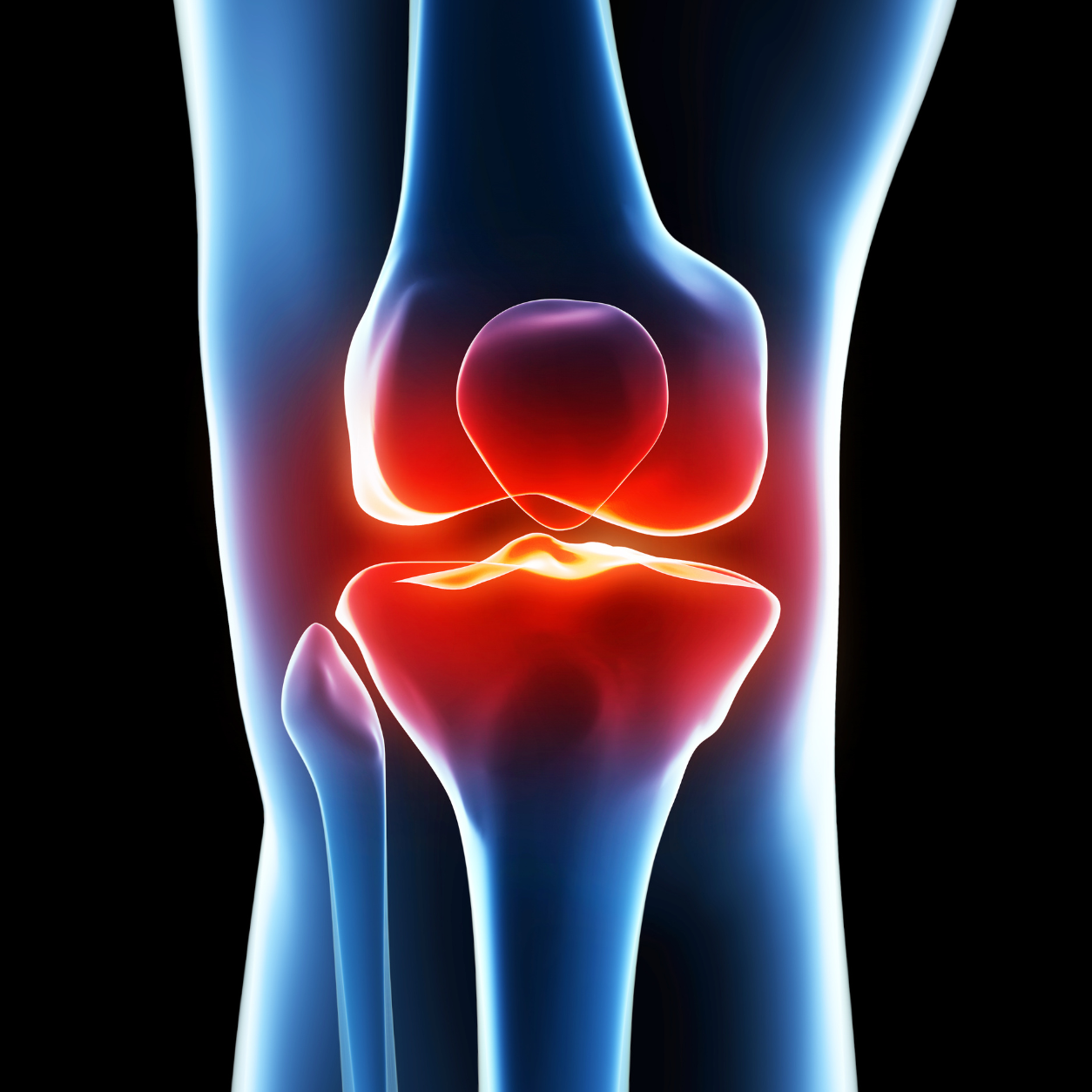
A closer look at the knee joint
Different structures within the knee perform different jobs. When pain follows an injury or remains unexplained, identifying which structure may be involved can help inform subsequent clinical decisions.
| Knee structure | Role within the knee | Why it may be assessed |
|---|---|---|
| Menisci | Cartilage structures that help distribute load through the knee. | May be evaluated where there is pain following twisting, locking, catching or other relevant symptoms. |
| ACL & PCL | Cruciate ligaments that contribute to stability of the knee. | May require assessment following significant twisting, sporting trauma or instability. |
| MCL & LCL | Ligaments on the inner and outer aspects of the knee. | Can be evaluated following trauma or force through the side of the knee. |
| Articular cartilage | Smooth cartilage covering the joint surfaces. | May be assessed when investigating cartilage damage or degenerative changes. |
| Tendons | Connect muscles to bone and play an important role in movement. | May be relevant when symptoms involve the structures around the kneecap or other tendon attachments. |
| Bone & surrounding tissues | Form the supporting framework and surrounding anatomy of the joint. | MRI can provide additional information about bone and soft tissues within the scanned area. |
Important: the scan you need depends on your symptoms and clinical circumstances. MRI findings should be considered alongside your history and clinical assessment rather than interpreted in isolation.
Could the pain be coming from a meniscus or ligament?
The menisci and ligaments are important structures within the knee. Injuries can occur during sport, sudden changes in direction, direct contact, awkward landings or twisting movements.
Symptoms can vary considerably. Some people mainly experience pain, while others notice swelling, restricted movement, instability or troublesome mechanical sensations within the joint.
Why does my knee hurt when I run?
Knee pain is a common reason for runners and active people to reduce their training. Symptoms may appear during a run, afterwards, on stairs or after periods of sitting and resting.
There are several potential explanations for pain associated with exercise, and imaging is only one part of assessment. When symptoms persist despite modifying activity or when there has been a clear injury, additional investigation may be considered depending on the circumstances.
What happens during a knee MRI scan?
Before the scan, the imaging team will complete the necessary MRI safety checks and explain what will happen. You will then be positioned so that the knee can be imaged accurately.
During the scan it is important to remain as still as possible while the images are being acquired. The scanner makes a series of loud knocking and mechanical sounds while it is working, and the team will guide you throughout your appointment.
Do all knee problems need an MRI scan?
No. MRI is a powerful imaging technique, but not every episode of knee pain requires one. Different symptoms can require different approaches, and in some situations another form of assessment or imaging may be more appropriate.
The purpose of imaging should always be to answer a useful clinical question. If you are unsure whether a knee MRI is suitable for your symptoms, speak to an appropriate healthcare professional or contact the imaging team before booking.
The goal is not simply to have a scan. The goal is to obtain useful information that can help you and the healthcare professionals involved in your care understand the problem and determine an appropriate next step.
Private knee MRI scans at Headingley Stadium
New Horizons Imaging provides private MRI scanning in Leeds from Headingley Stadium, giving patients an alternative route to diagnostic imaging when an MRI is appropriate.
If knee pain is affecting your work, exercise, sport or day-to-day life, obtaining appropriate imaging can be one step towards gaining greater clarity about what may be happening inside the joint.
Severe or urgent symptoms: private MRI should not delay urgent medical assessment. If you have suffered a significant knee injury, cannot put weight through the leg, the knee is visibly deformed, or you have severe pain with a hot or very swollen knee or feel acutely unwell, seek appropriate urgent medical advice.
Frequently asked questions about knee MRI scans
Knee pain?
Get greater clarity with a
private MRI in Leeds.
If a knee MRI is appropriate for your symptoms, you can book your scan with New Horizons Imaging. If you are unsure which scan you require, review the available services or contact the team before booking.