

Private Brain MRI in Leeds: Brain MRI, MRA & MR Venogram explained.
If you have been told you may need imaging of your brain, the terminology can quickly become confusing. Brain MRI, Brain MRA and Brain Venogram sound similar, but they are designed to answer different clinical questions.
Here we explain what each type of MRI focuses on, why a clinician might request one rather than another, and what to consider when arranging a private brain MRI in Leeds.
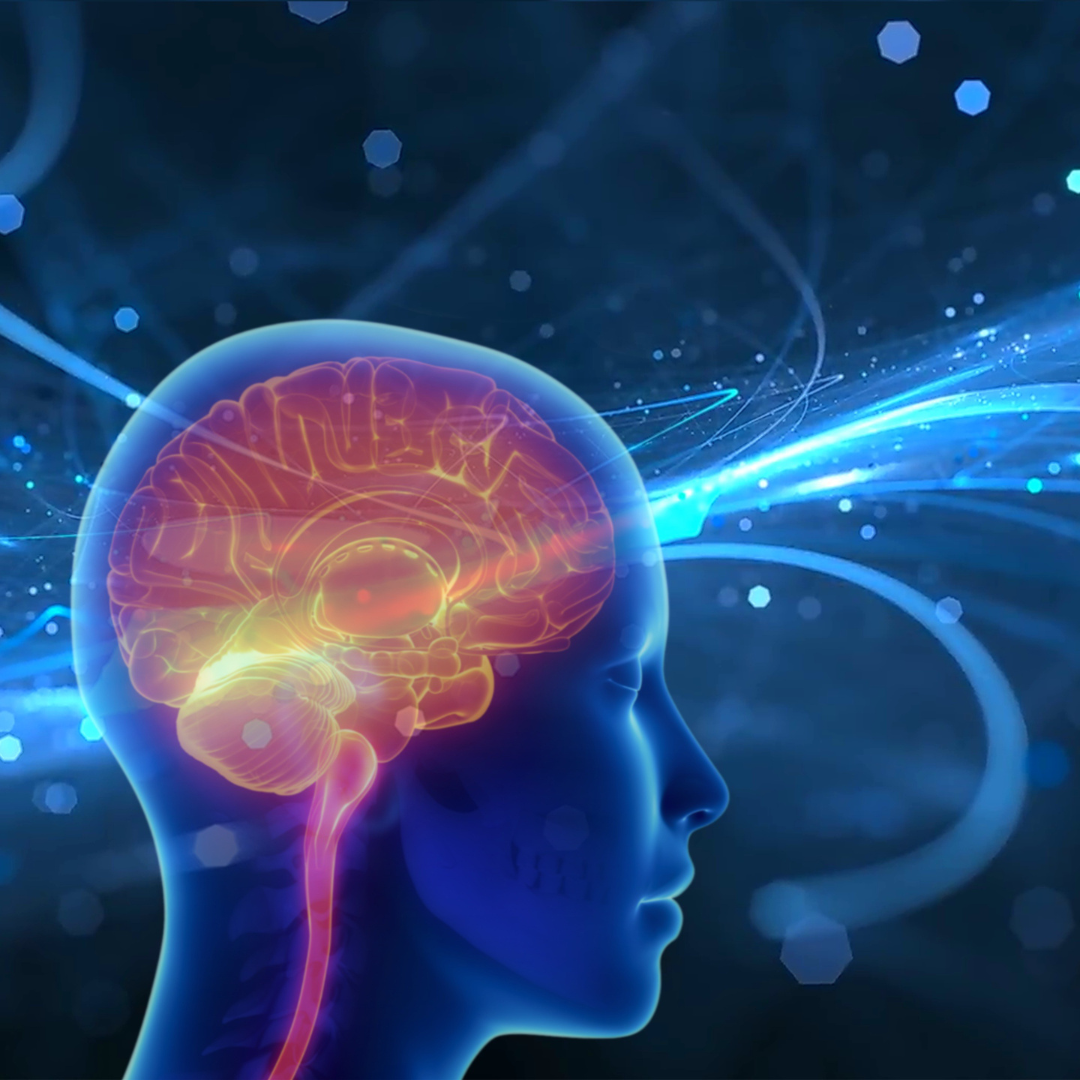
Three similar names. Three different imaging questions.
One of the most important things to understand about MRI is that there is no single scan called “an MRI of everything”. Different MRI examinations use different imaging sequences and protocols depending on what the clinical team needs to assess.
This is particularly relevant for brain imaging. A standard Brain MRI, a Brain MRA and a Brain Venogram can all involve the same MRI scanner, but the examination is targeted differently.
The simplest way to think about it is this: Brain MRI looks primarily at the brain itself; Brain MRA looks at arterial blood vessels; and Brain Venography looks at veins and venous sinuses. Which scan is appropriate depends on the clinical question, not simply the symptom you are experiencing.
What is the difference between Brain MRI, MRA and MRV?
Brain MRI
A dedicated Brain MRI produces detailed images of the brain and structures within the head. Different MRI sequences can provide information about brain tissue, fluid spaces and other neurological structures.
Brain MRA
MRA stands for Magnetic Resonance Angiography. Rather than concentrating primarily on brain tissue, the technique is designed to provide detailed information about blood vessels, particularly arteries.
Brain Venogram / MRV
A Brain Venogram using MRI is commonly described as MR venography or MRV. It is designed to assess the venous side of the cerebral circulation, including veins and major venous sinuses.
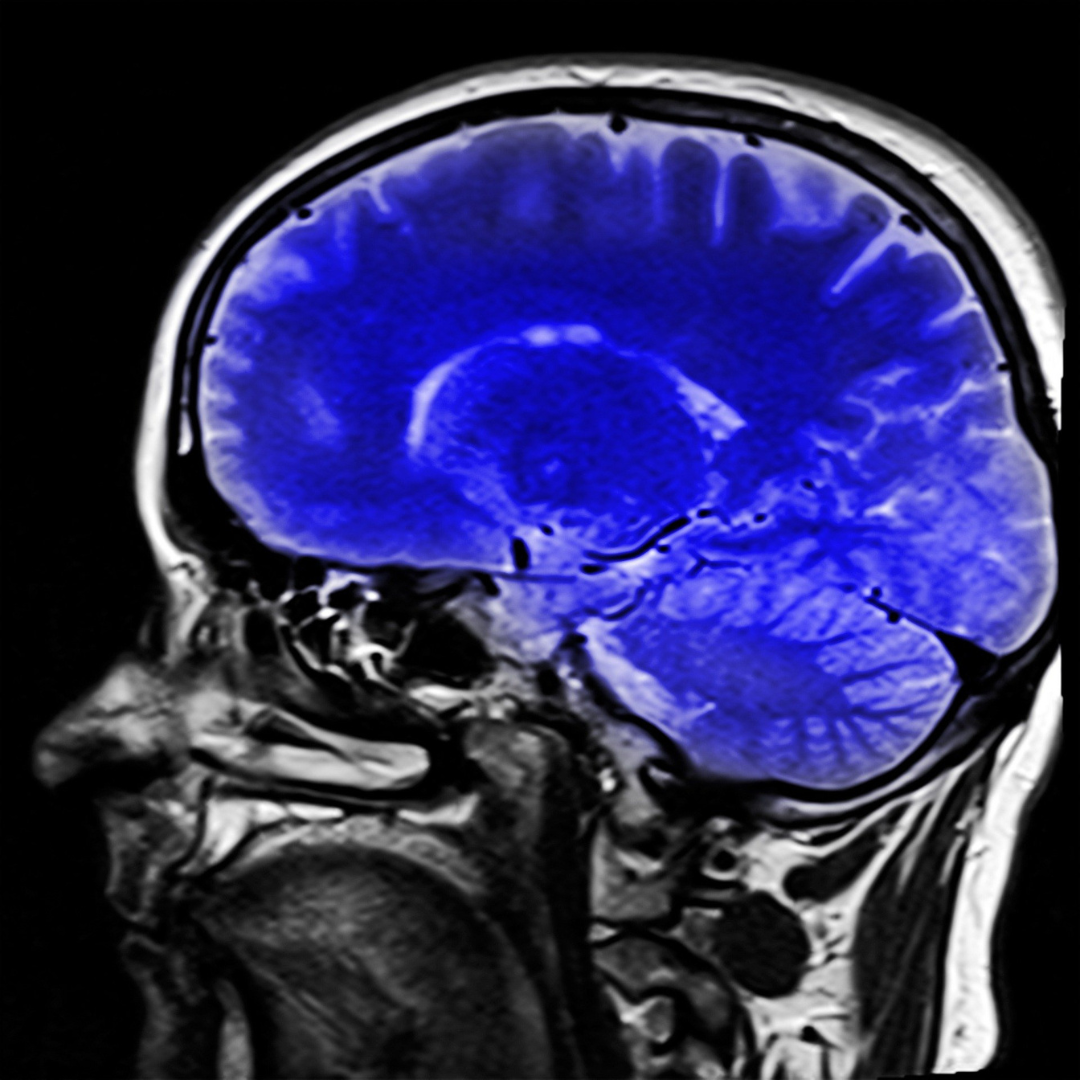
What is a Brain MRI?
A Brain MRI uses magnetic resonance imaging to create detailed images of the brain and surrounding anatomy without using ionising X-ray radiation.
It may be requested when a clinician needs more information about neurological symptoms or wishes to assess structures within the brain in greater detail.
The precise sequences used depend on the reason for imaging. In some circumstances contrast may be recommended; in others, a non-contrast examination may provide the required information.
What might a Brain MRI help investigate?
Brain MRI can be used for a wide range of clinical questions. The presence of a symptom does not automatically mean that MRI is required, and a scan should be selected in the context of your symptoms, medical history and clinical assessment.
Where imaging is appropriate, a Brain MRI may provide information relating to areas such as:
What is a Brain MRA?
MRA means Magnetic Resonance Angiography. It is a specialised MRI technique used to obtain images of blood vessels.
For imaging within the head, a Brain MRA is commonly used when the clinical question relates more specifically to arteries and arterial circulation rather than simply the appearance of brain tissue.
MRA examinations can use different techniques. Some protocols can produce vascular images without an intravenous contrast agent, while other clinical questions may require contrast. The protocol should therefore be determined before scanning.
Why isn't a standard Brain MRI the same as an MRA?
A standard Brain MRI contains a range of sequences designed primarily to evaluate brain anatomy and tissue. An MRA uses techniques specifically designed to visualise blood vessels.
This means that ordering “a brain scan” does not automatically provide the same information as a dedicated vascular study. If the clinical concern specifically involves cerebral arteries, the imaging pathway may therefore include an MRA rather than, or sometimes in addition to, other brain imaging.
The important part is having the correct clinical question before the examination is booked.
What is a Brain Venogram or MRV?
A Brain Venogram performed using magnetic resonance imaging is known as Magnetic Resonance Venography — MRV.
While MRA usually focuses on arterial circulation, MR venography is designed to show venous drainage of the brain, including major cerebral veins and venous sinuses.
It can be requested when the clinical concern relates to venous circulation rather than arteries or brain tissue alone.
Different MRV techniques are available and the requirement for intravenous contrast depends upon the examination and clinical question.
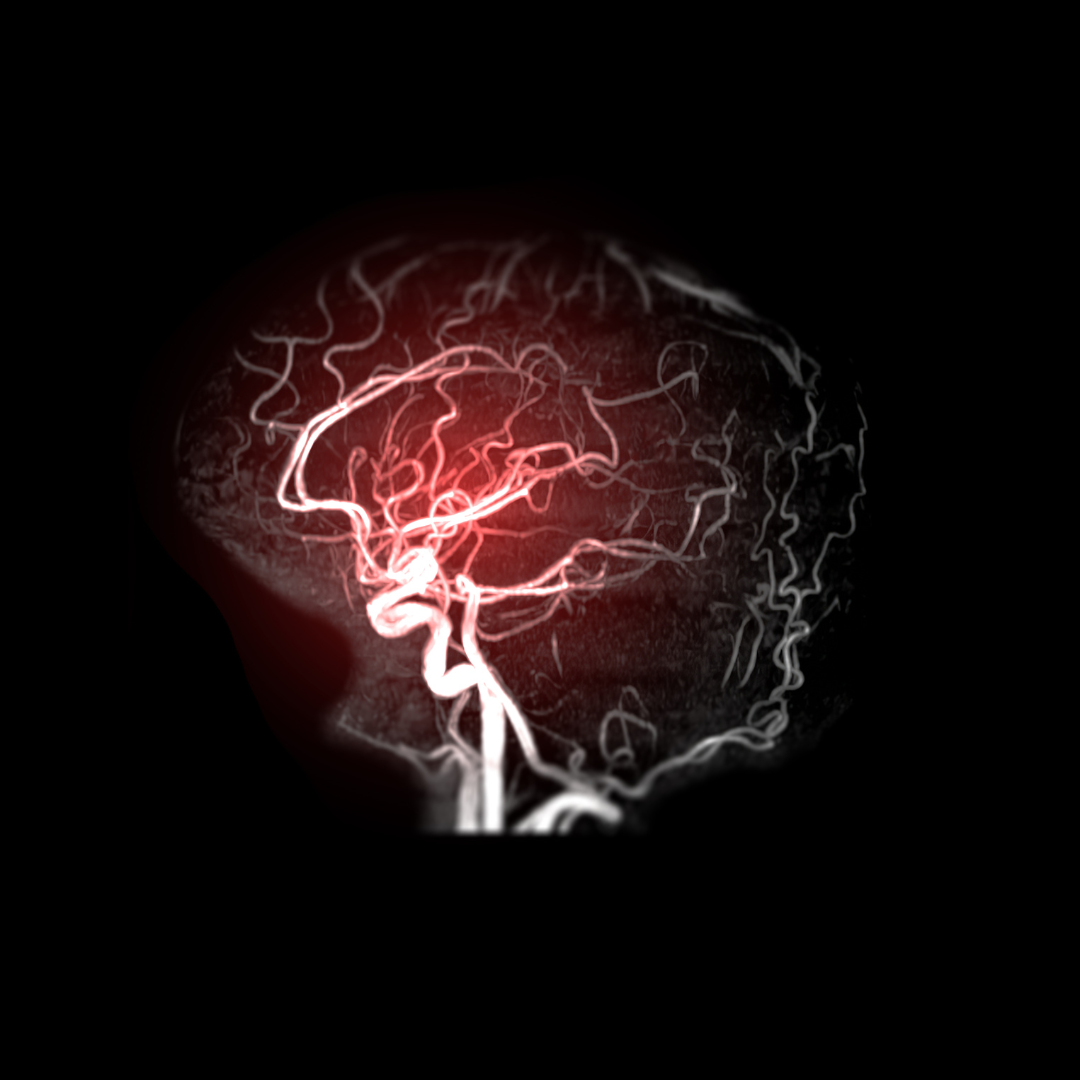
Why might a clinician request MR venography?
MR venography may form part of neurological investigation when a clinician needs detailed information about cerebral veins or venous sinuses.
For example, venous imaging can be relevant where there is a clinical concern about obstruction or thrombosis within the cerebral venous system, or where the appearance of the major venous sinuses needs to be assessed.
Which brain scan do you need for headaches?
This is where trying to choose an MRI based on symptoms alone becomes difficult.
Headache has many possible causes and most headaches do not automatically require an MRI. Even when brain imaging is clinically appropriate, the correct examination depends on what the clinician is trying to investigate.
Do not simply book all three examinations “to be safe”. More imaging is not automatically better imaging. The useful scan is the examination that is appropriate for the clinical question. If you are uncertain whether you need Brain MRI, Brain MRA or Brain Venography, contact New Horizons Imaging before booking.
Do Brain MRI, MRA or MRV need contrast?
Not every neurological MRI examination uses intravenous contrast.
Whether contrast is recommended depends upon the type of examination, the clinical question and the MRI protocol required. Some MRA techniques, for example, can create useful vascular images without contrast, while other examinations may require a contrast-enhanced study.
The same principle applies to specialist venous imaging. If contrast is required, additional clinical and safety checks will be needed before the examination takes place.
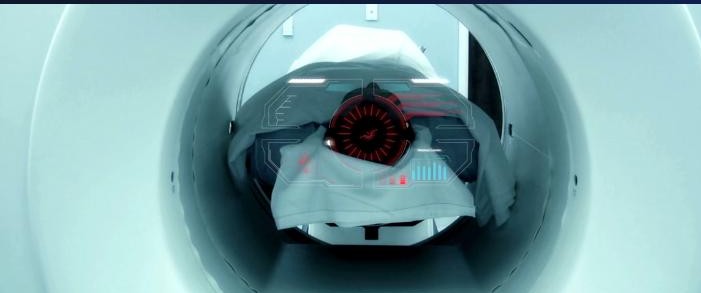
What happens during a Brain MRI?
Before entering the MRI room you will complete the required MRI safety screening. The imaging team will confirm the scan being performed and the clinical information associated with your examination.
For brain imaging, your head is carefully positioned in specialist equipment while you lie on the MRI table. The table moves into the scanner and you will need to remain as still as possible while each group of images is acquired.
MRI scanners make loud tapping and mechanical sounds during image acquisition. You will be given appropriate hearing protection and the imaging team will be able to communicate with you throughout.
Brain MRI without ionising X-ray radiation
MRI uses a powerful magnetic field and radiofrequency signals rather than ionising X-ray radiation.
The magnetic field means safety screening is essential. Tell the imaging team about implanted medical devices, previous surgery, metal within the body or any other relevant medical history before your scan.
Can you self-refer for a private Brain MRI in Leeds?
New Horizons Imaging offers a self-referral pathway for selected non-emergency MRI examinations for eligible adults, subject to clinical review.
Specialist neurological imaging can require additional clinical information. Brain MRA, Brain Venogram and examinations requiring intravenous contrast may therefore require a different referral pathway.
If you already have a referral, provide it when arranging your appointment. If you do not know which examination has been recommended, contact the team before choosing between Brain MRI, Brain MRA and Brain Venogram.
Brain MRI, MRA and MR venography in Headingley, Leeds
New Horizons Imaging provides private MRI scanning from AMT Headingley Rugby Stadium in Leeds.
Available scan options include Brain MRI, Brain MRA and Brain Venogram, subject to the appropriate clinical pathway, MRI safety screening and any referral requirements associated with the examination.
If you are unsure which scan has been requested, the safest approach is to provide your referral or clinical information and allow the appropriate pathway to be confirmed before your appointment.
A routine private MRI appointment is not an alternative to emergency care. Sudden facial weakness, weakness or numbness affecting one side of the body, new speech difficulty, sudden severe neurological symptoms, a first seizure or loss of consciousness should be assessed urgently rather than waiting for a private scan appointment.
Looking for more information about neurological MRI?
For a broader explanation of head and neurological MRI, visit our Head & Neurological MRI Leeds guide .
You can also view our MRI Services & Pricing page for the current scan options available through New Horizons Imaging.
Frequently asked questions about Brain MRI, MRA and MRV
Is a Brain MRI the same as a Brain MRA?
No. A standard Brain MRI primarily produces detailed images of brain tissue and neurological anatomy. MRA means Magnetic Resonance Angiography and uses MRI techniques designed specifically to assess blood vessels, particularly arteries.
What is the difference between Brain MRA and Brain Venogram?
Brain MRA generally focuses on arterial blood vessels, while a Brain Venogram using MR venography focuses on veins and major cerebral venous sinuses. They therefore answer different vascular questions.
Does a Brain MRA always require contrast?
No. Some MRA techniques can produce vascular images without intravenous contrast. Other examinations may require contrast depending on the clinical question and protocol selected.
What does MRV stand for?
MRV stands for Magnetic Resonance Venography. It is an MRI-based examination designed to provide information about veins and the venous circulation.
Which MRI should I book for headaches?
You should not choose Brain MRI, MRA or MRV based only on the presence of a headache. The appropriate scan depends on your symptoms, medical history and the clinical question being investigated. Contact the team or provide your referral before booking if you are unsure.
Can I book a private Brain MRI in Leeds?
New Horizons Imaging provides private Brain MRI services in Leeds. Selected non-emergency neurological examinations may be available through an eligible self-referral pathway, while some specialist or contrast examinations require additional referral information.
Where does New Horizons Imaging perform Brain MRI scans?
New Horizons Imaging provides private MRI scanning from AMT Headingley Rugby Stadium, St Michael's Lane, Headingley, Leeds LS6 3BR.
Brain MRI, MRA or Venogram? Speak to our Leeds MRI team.
If you have a referral for Brain MRI, Brain MRA or Brain Venography, contact New Horizons Imaging to discuss your examination. If you are unsure which scan is appropriate, provide your clinical information before booking so the correct pathway can be confirmed.