

Head and neurological MRI scans in Leeds when greater clarity is needed.
Symptoms involving the brain or nervous system can be worrying, particularly when they are persistent, unexplained or beginning to affect everyday life.
A head or neurological MRI can provide detailed images of the brain and surrounding structures, helping clinicians investigate certain neurological symptoms where imaging is appropriate.
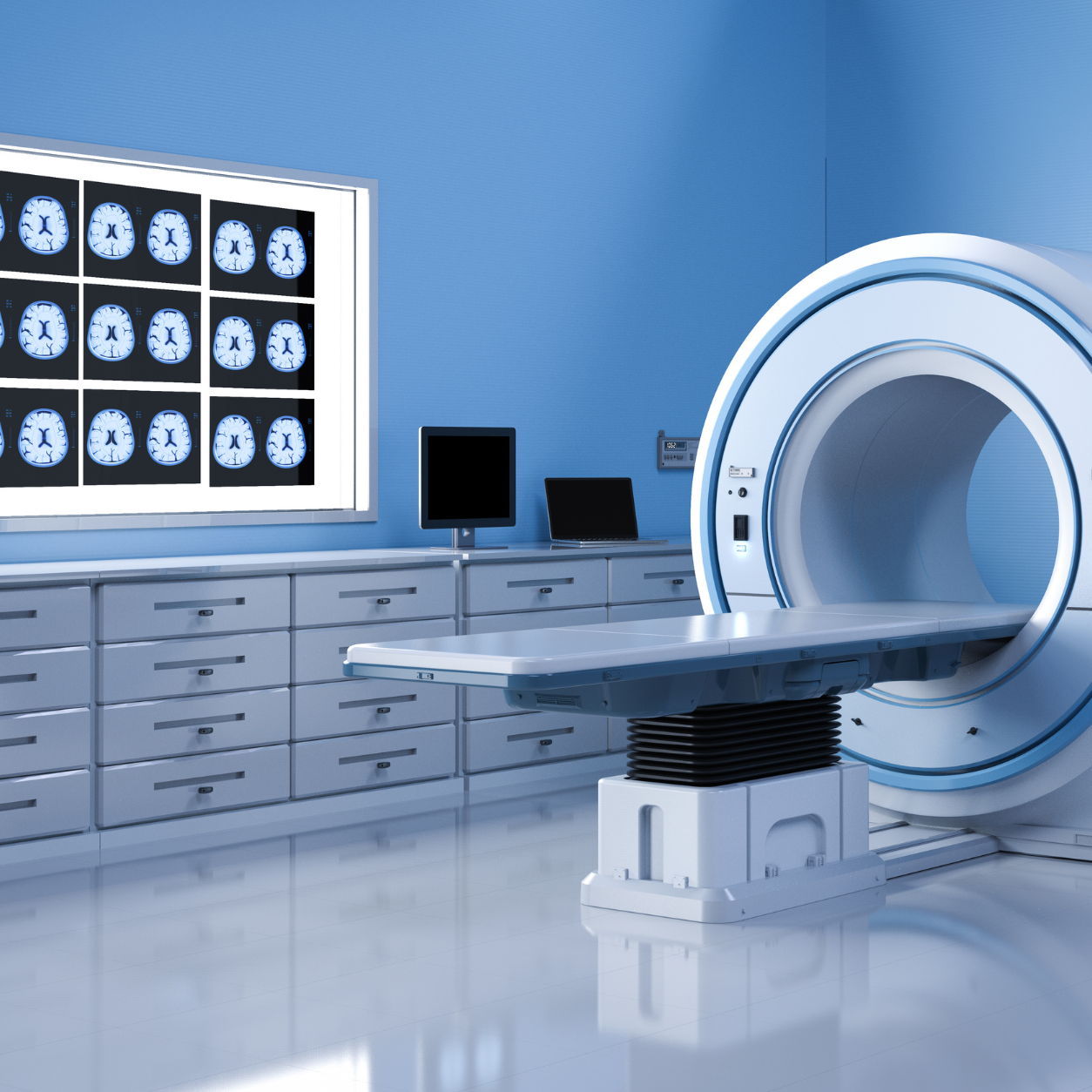
What is a neurological MRI?
MRI — Magnetic Resonance Imaging — uses a powerful magnetic field, radiofrequency signals and specialist computer technology to create detailed images from inside the body.
MRI is particularly useful when clinicians need detailed images of soft tissues, including structures within the brain, spinal cord and nervous system.
A neurological MRI is not simply a general “brain check”. The scan should normally be selected to answer a specific clinical question, with the imaging protocol chosen according to the symptoms, medical history and referral information available.
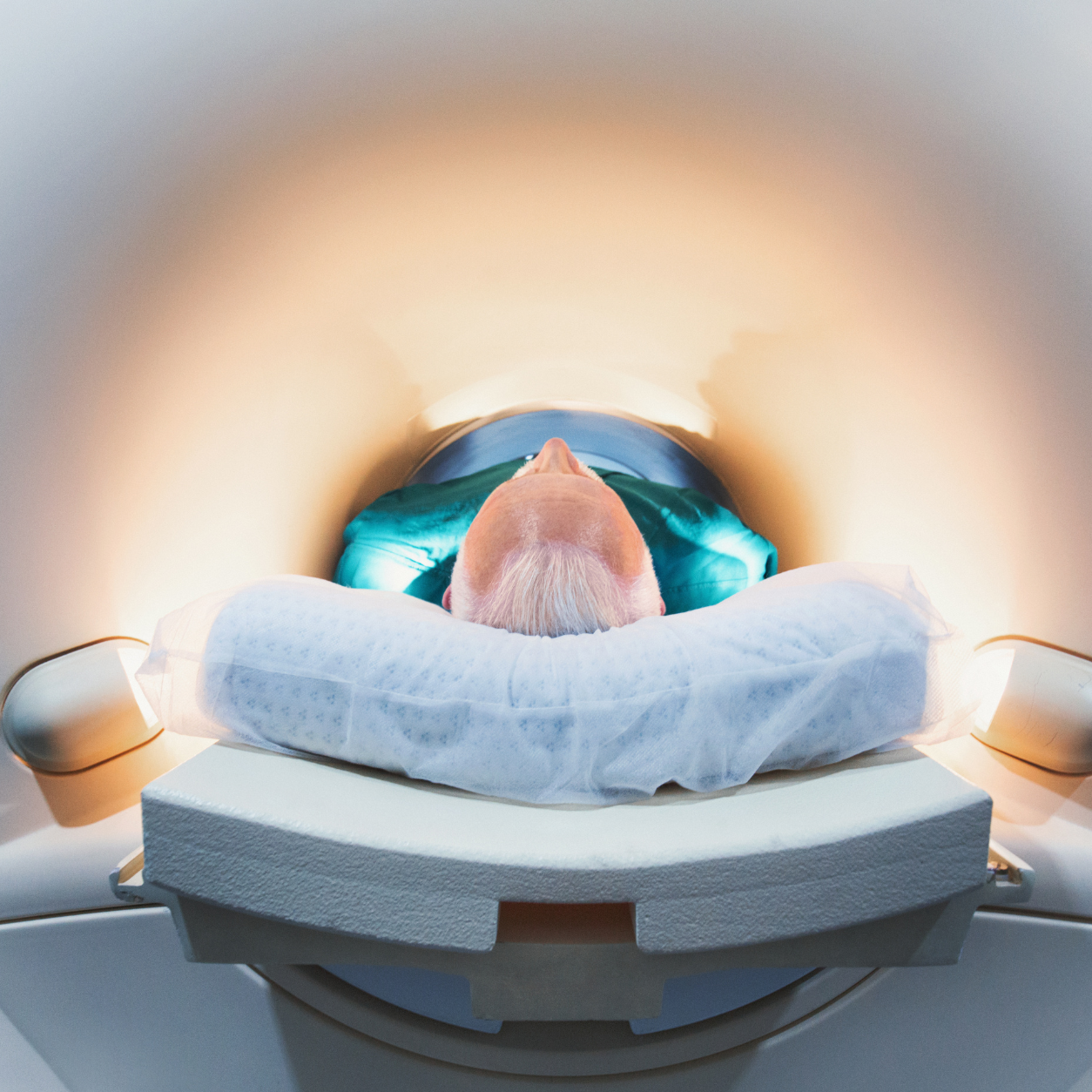
What happens during a head MRI scan?
Before your examination, the imaging team will complete the required MRI safety checks and confirm the reason for your scan.
For a head or brain MRI, you will normally lie on the scanning table while your head is carefully positioned within specialist equipment designed to receive the MRI signal.
You will need to remain as still as possible while the images are acquired. The scanner makes loud tapping and mechanical noises, and the team will guide and communicate with you throughout.
When might neurological imaging be considered?
There is no single symptom that automatically means a person needs a brain MRI. Neurological symptoms can have many different causes, and the appropriate investigation depends on the clinical picture.
Depending on the circumstances, neurological imaging may form part of the investigation of symptoms such as:
What can a brain MRI look at?
MRI produces detailed images through different levels of the brain and surrounding anatomy. This can provide clinicians with information that may not be available from an external examination alone.
Depending on the scan protocol and reason for imaging, MRI may assess brain tissue, fluid spaces, the pituitary region and other structures within the head.
Specialist MRI sequences may also be selected when clinicians are investigating particular neurological conditions or abnormalities.
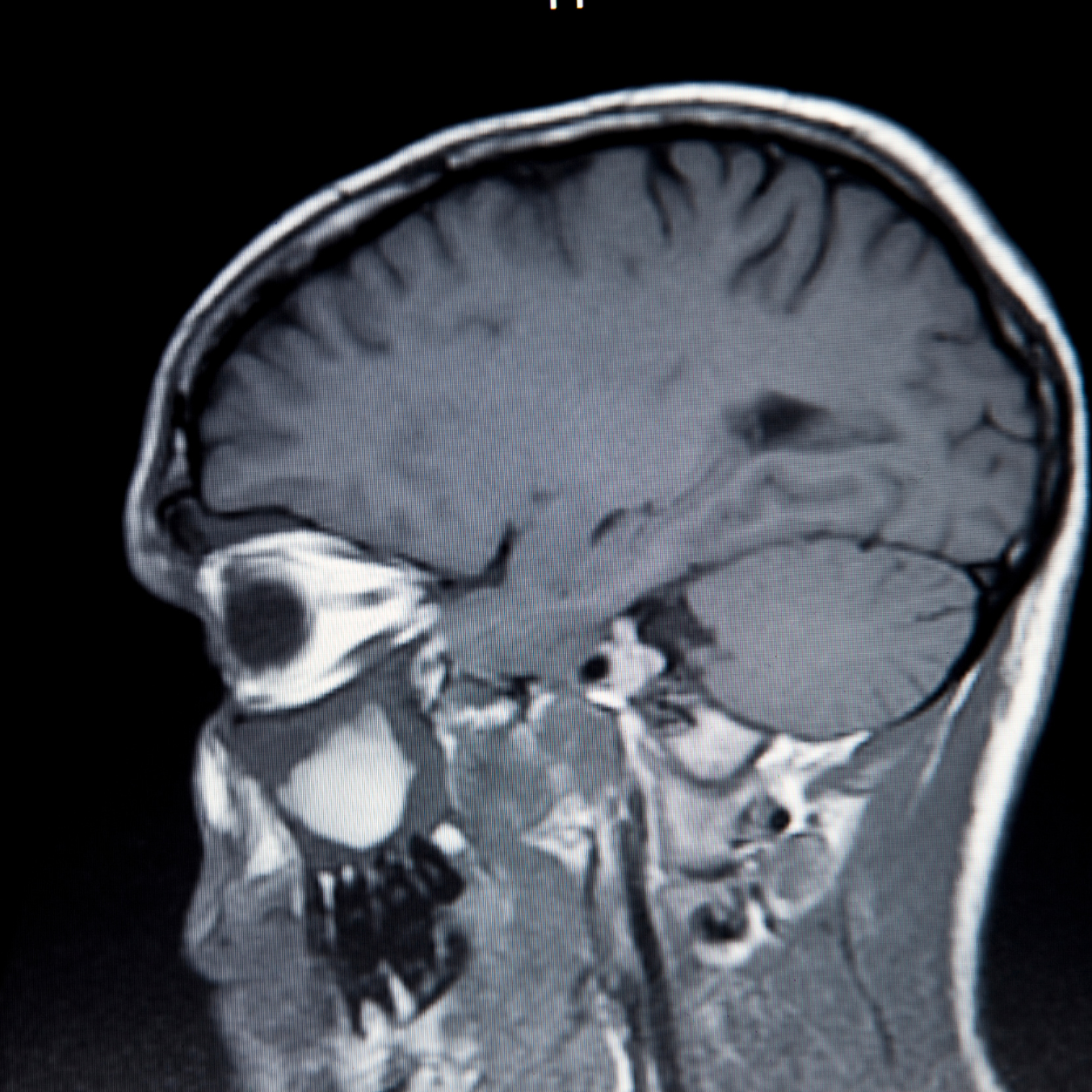
MRI provides information — not a diagnosis by itself
An MRI scan produces detailed images, but those images need to be interpreted alongside your symptoms, medical history and clinical assessment.
A scan may identify an imaging abnormality, provide information requiring further assessment, or show no significant abnormality relating to the question being investigated.
Do I need a referral for a neurological MRI?
Neurological MRI may require more clinical information than a straightforward musculoskeletal scan because the correct examination and imaging protocol depend heavily on the symptoms being investigated.
Referral requirements and clinical screening may therefore apply. If you already have a referral, provide this when contacting the team. If you are unsure whether your symptoms are suitable for a private neurological MRI, please check with New Horizons Imaging before booking.
Is a brain MRI safe?
MRI does not use ionising X-ray radiation. However, the scanner produces a very powerful magnetic field, so comprehensive safety screening is essential.
Tell the imaging team about any implanted medical devices, previous operations or metal that may be present within the body.
Will I need contrast?
Not every brain or neurological MRI requires contrast.
For certain clinical questions, an intravenous MRI contrast agent may be recommended to provide additional information or make particular tissues easier to assess.
Whether contrast is needed depends on the specific examination and reason for imaging. Where contrast is proposed, the imaging team will explain the process and complete the necessary checks.
Urgent neurological symptoms: a private MRI appointment should not delay emergency medical assessment. Sudden weakness or numbness on one side, sudden speech difficulty, sudden confusion, sudden loss of vision, a first seizure, loss of consciousness or rapidly developing neurological symptoms require appropriate urgent medical attention.
Private MRI imaging at Headingley Stadium
New Horizons Imaging provides private diagnostic MRI services in Leeds from Headingley Stadium.
Where clinically appropriate, head and neurological MRI can provide detailed diagnostic imaging when a clinician requires further information about the brain or nervous system.
Because neurological imaging is highly dependent on the clinical question, we recommend confirming suitability and referral requirements before booking.
Frequently asked questions about brain MRI
Head or neurological MRI? Speak to our Leeds team.
If you already have a referral for a head or neurological MRI, contact New Horizons Imaging to discuss your scan. If you are unsure whether neurological MRI is appropriate, speak to the team before booking so the correct pathway can be confirmed.