

MRI Safety Explained: Implants, Pacemakers & Claustrophobia
MRI uses a powerful magnet rather than X-rays, which makes it one of the safest imaging tests available. It also means anything metal or electronic in or on your body matters, and that the scanner's enclosed design is a worry for some people.
This guide answers the questions patients ask most before they book: can I have an MRI with my implant, what if I have a pacemaker, and what can be done if I am claustrophobic.
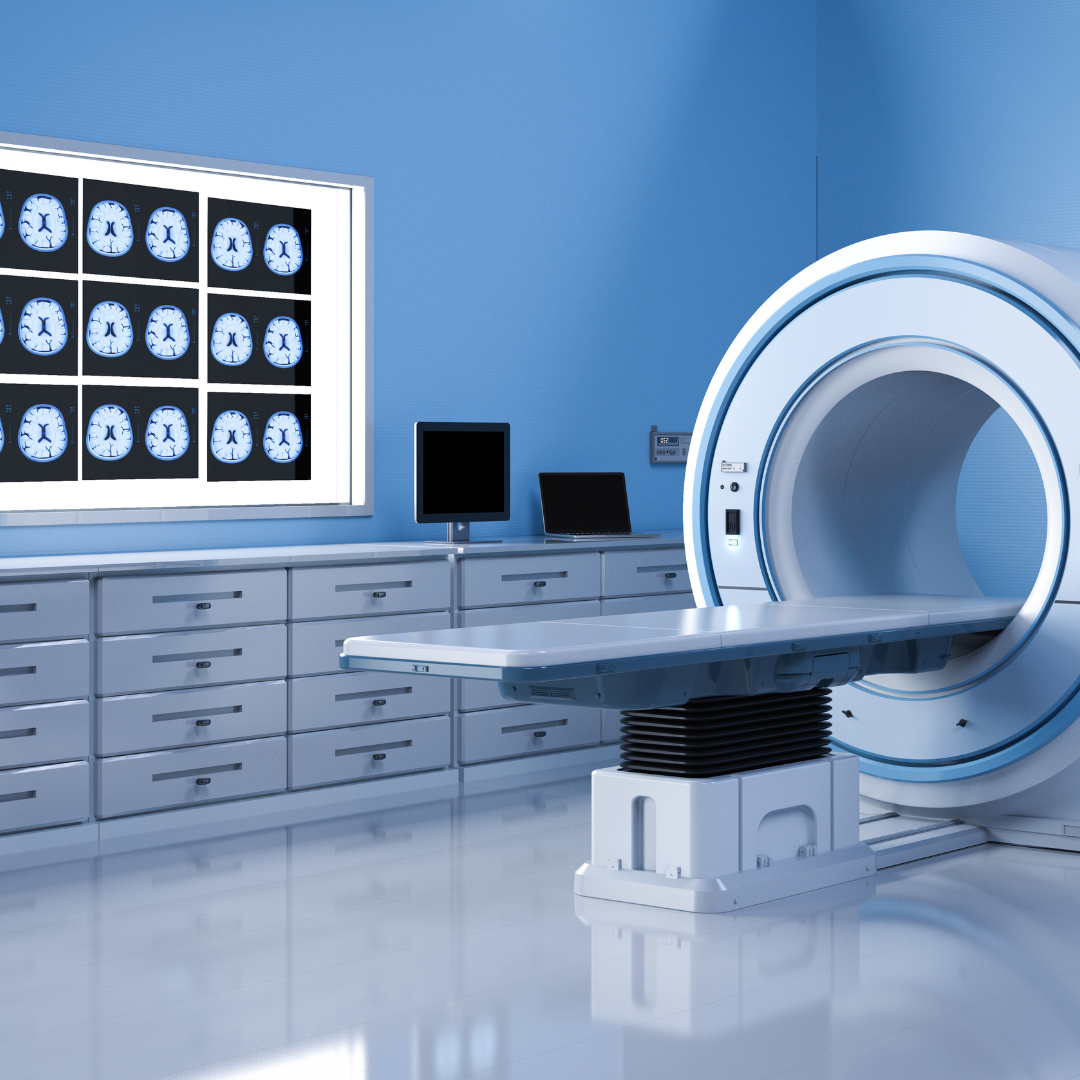
No radiation. A very strong magnet.
An MRI scanner is a large, permanently switched-on magnet. It produces no ionising radiation, so there is no dose to worry about and scans can be safely repeated. The trade-off is that the magnetic field can pull on certain metals, heat some implants and interfere with electronic devices.
That is why every patient completes a safety questionnaire before entering the scan room, and why our radiographers ask about operations, implants and injuries you may have forgotten about. It is not a formality. It is the part of the appointment that keeps you safe.
Put simply: most people, including most people with metal implants, can have an MRI. A small number of devices need their make and model checked first, and a very small number cannot be scanned at all. Tell us everything, and we will tell you where you stand before you pay for an appointment.
Which implants are safe for MRI?
Implants fall into three broad groups. The questionnaire you complete when booking is designed to pick up each of them.
Orthopaedic metalwork
Hip and knee replacements, plates, screws, rods, pins, spinal fixation and dental implants are almost always made from non-magnetic alloys such as titanium. They are generally safe to scan, though they can blur the image close to the metal.
Electronic and specialist devices
Pacemakers, defibrillators (ICDs), cochlear implants, nerve stimulators, drug pumps, programmable shunts, some aneurysm clips and heart valves. Many modern versions are "MR-conditional", meaning they can be scanned under specific conditions, but each one has to be verified.
Fragments and everyday items
Metal splinters in the eye from grinding or welding, shrapnel, bullets, retained needle tips, certain tattoos and medicated skin patches, piercings, hearing aids and even some clothing with metallic fibres. Most are manageable once known.
Can you have an MRI with a pacemaker?
Sometimes, but not on a routine self-referral booking. Older pacemakers were a complete barrier to MRI. Many devices fitted in the last decade are MR-conditional and can be scanned safely when the device is checked and set to a safe mode beforehand, the scan is run within set limits, and the device is checked again afterwards.
Because this involves your cardiology team as well as our radiographers, pacemaker and ICD patients need a clinician referral and a conversation with us before any appointment is booked. Please do not book online first — contact us with your device details and we will tell you whether and how we can help.
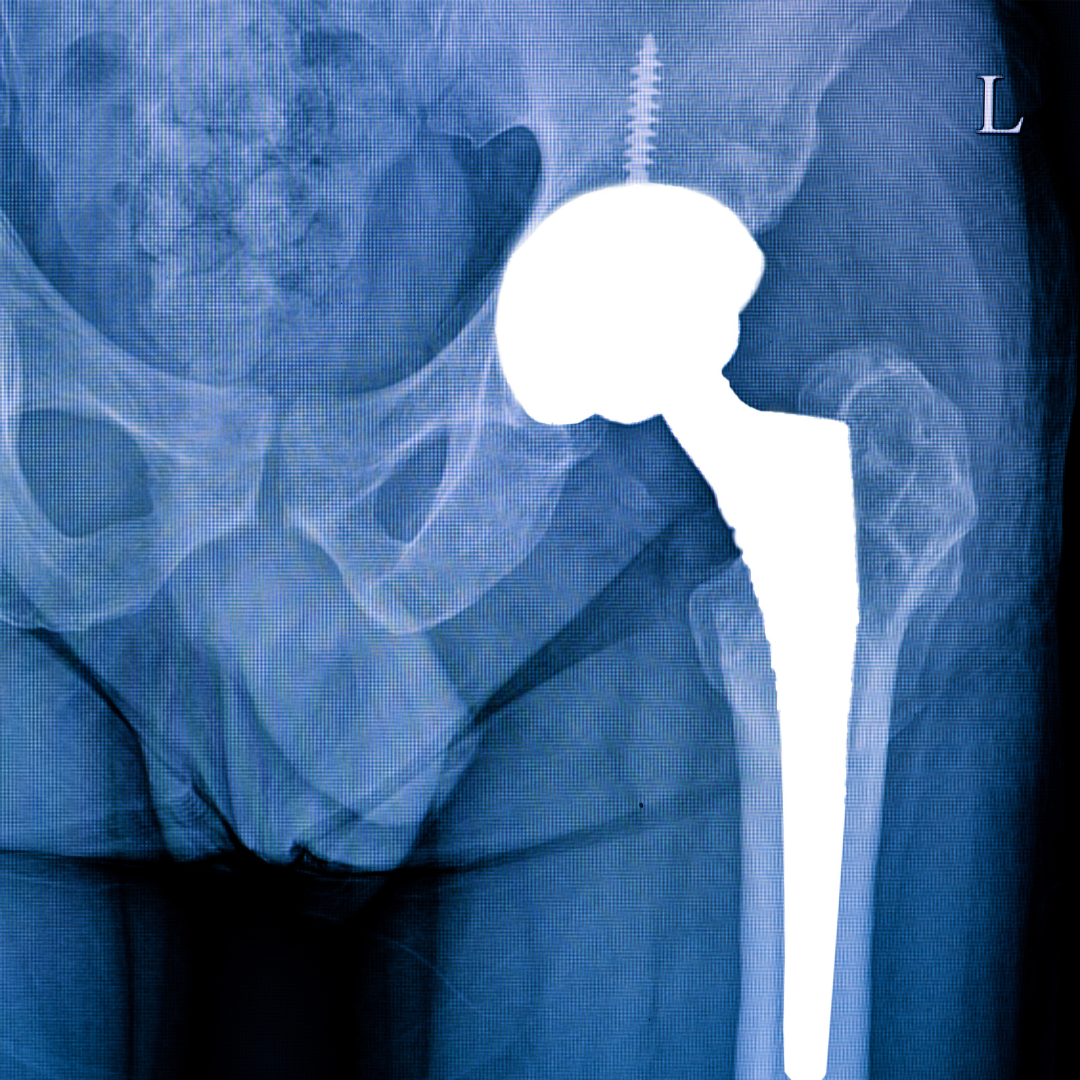
Joint replacements, dental work and surgical clips
The implants we are asked about most are hip and knee replacements, plates and screws from fracture surgery, dental implants and fillings, and surgical clips from procedures such as gallbladder removal.
Almost all of these are safe to scan. The main effect is on image quality rather than safety: metal close to the area being scanned can create a dark or distorted patch on the pictures. If your scan is of a joint that has been replaced, let us know so the radiographer can adjust the protocol.
Surgery in the last three months is the one situation where we may need to check before scanning, as some implants are only safe once they have bedded in. The booking form asks about this specifically.
Worried about feeling closed in?
You are not alone. A fear of enclosed spaces is the most common reason people put off an MRI, and it is something we deal with every day. The scanner at New Horizons Imaging is a Siemens wide-bore system, which has a noticeably larger opening and more headroom than a traditional tunnel scanner.
Just as importantly, for many scans you do not need to go all the way in. Knee, ankle, foot, hip and lower-spine examinations are usually done feet first with your head outside or near the end of the scanner.
Making the scan easier
Small things make a real difference, particularly if you are anxious. These are the ones our radiographers suggest most.
Sedation. We do not provide sedation on site. If you feel you would only manage the scan with medication, speak to your GP beforehand; a mild, short-acting sedative prescribed by your own doctor is sometimes used. You must not drive afterwards, so please arrange a lift and tell us when you book.
What safety screening looks like
You will have already answered the safety questions when booking online. On the day, the radiographer goes through them again with you in person, because a forgotten detail is easier to catch in conversation.
You will be asked to remove anything metal: jewellery, watches, hair clips, belts, bras with underwiring, hearing aids, removable dentures with metal, and anything in your pockets. Lockers are provided and you can change into a gown if your clothing has metal fastenings.
If anything on your questionnaire needs further checking, we will do that before your appointment, not on the day, so you are not left waiting or turned away.
Pregnancy, tattoos, dental work and more
A few questions come up almost every day. The short answers are below; the questionnaire will prompt you for the detail.
Other questions to settle before your appointment
Once you know you can be scanned safely, the next questions are usually about money and time. Our guides on how much a private MRI scan costs and how long an MRI scan takes cover both.
If you need a referral for your scan, or you are booking for someone under 18, read how to get an MRI referral. For current scan options see MRI Services & Pricing.
Anything you are unsure about, contact the New Horizons Imaging team before you book. A two-minute call can save a wasted journey.
Frequently asked questions about MRI safety
Can I have an MRI with a hip or knee replacement?
Almost always, yes. Modern joint replacements are made from non-magnetic alloys and are safe in the scanner. The metal can reduce image quality close to the implant, so tell us where it is so the radiographer can adjust the scan.
Can I have an MRI with a pacemaker?
Possibly. Many modern pacemakers and ICDs are MR-conditional and can be scanned under controlled conditions with your cardiology team involved. This cannot be arranged through online self-referral — contact us with your device details and a clinician referral first.
Is MRI safe? Does it use radiation?
MRI uses a magnetic field and radio waves, not ionising radiation, so there is no radiation dose and scans can be repeated safely. The safety considerations relate to metal and electronic devices, which is why screening is required.
I am claustrophobic. Can I still have an MRI?
Most claustrophobic patients complete their scan without difficulty. New Horizons Imaging uses a wide-bore scanner with a larger opening, many scans are done feet first with your head outside the magnet, you hold a call button throughout, and a companion can usually stay with you. Tell us when you book.
Do you offer sedation for MRI?
We do not provide sedation on site. If you feel you need it, speak to your GP about a short-acting sedative before your appointment, arrange for someone to drive you, and let us know when booking.
Can I have an MRI if I have metal fragments in my eye?
Not without checking first. If you have ever had metal in your eye, or have worked with grinding or welding without eye protection, an X-ray of the eyes may be needed to rule out fragments before an MRI. Tell us at booking.
Can I have an MRI if I am pregnant?
MRI has no known harmful effects in pregnancy, but routine private scans are generally deferred unless a clinician specifically requests one. Tell us if you are or might be pregnant so the clinical team can advise.
What do I need to remove before an MRI?
All jewellery, watches, hair clips, belts, underwired bras, hearing aids, removable dentures with metal, medication patches with metal backing, and anything in your pockets. Lockers and gowns are provided.
Not sure if you can be scanned? Ask us first — it's free.
If you have an implant, a device, an old injury or you are anxious about the scanner, send us the details before you book. Our radiographers will confirm whether you can be scanned and how we will make it as comfortable as possible.