

What are the benefits of MRI when you have back pain?
When back pain keeps hanging around, the hardest part is often not knowing why. Is it a disc? A nerve? Something muscular? Or something that simply needs more time?
A spine MRI can provide detailed images of discs, nerves, the spinal canal and surrounding soft tissues. When imaging is clinically appropriate, it can help give your clinician more information about what may be causing your symptoms — without using ionising X-ray radiation.
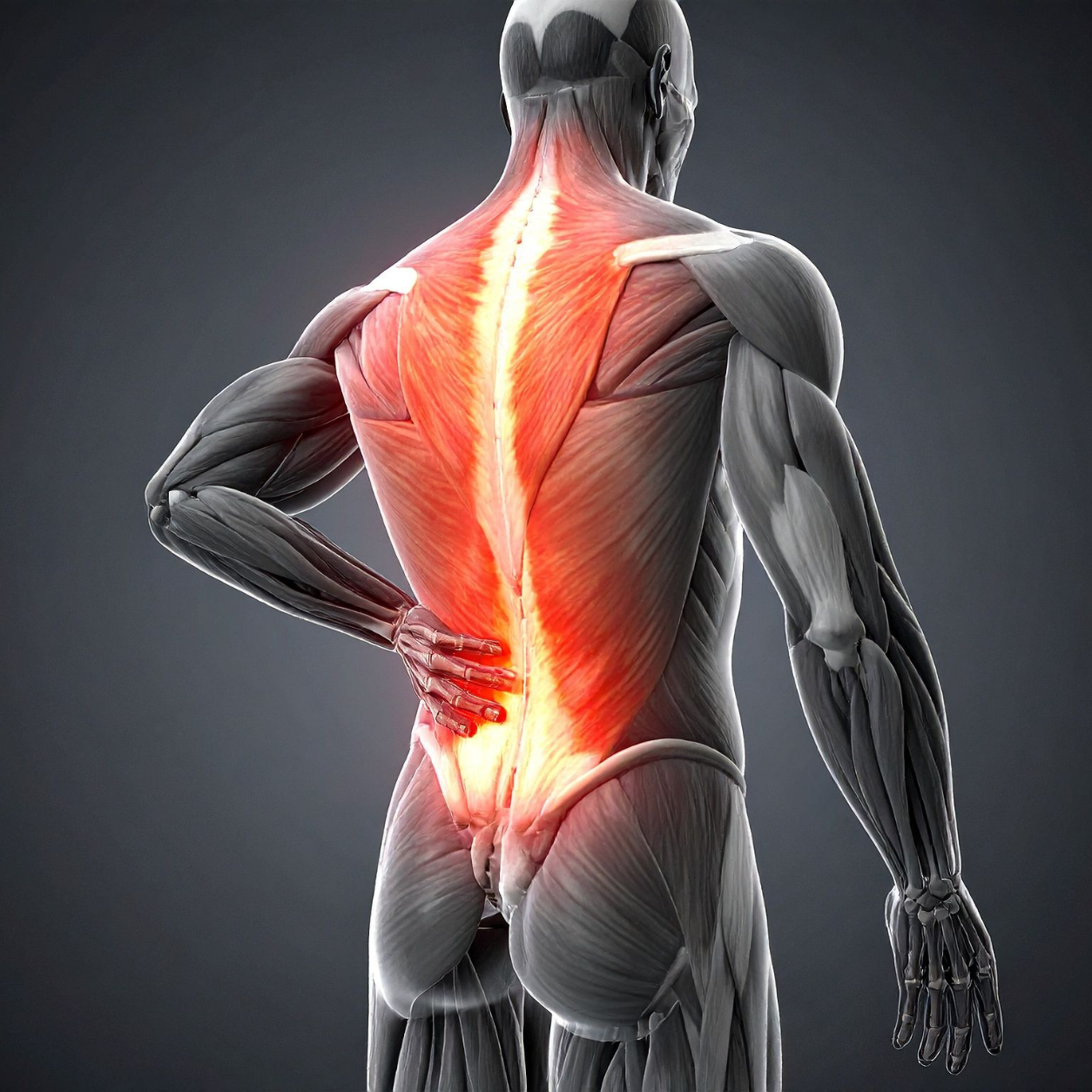
Back pain can be simple. Finding the reason is not always as simple.
Most people experience back pain at some point. In many cases it improves without the need for a scan, particularly when the pain is recent and there are no worrying symptoms.
But when pain persists, keeps returning, travels into a leg, or comes with symptoms such as tingling, numbness or weakness, the question naturally changes from “when will this settle?” to “what is actually going on?”
The real benefit of MRI is not simply getting a picture of your back. It is getting detailed information that may help a clinician decide whether a disc, nerve or other spinal structure could be relevant to your symptoms — and whether that information changes what should happen next.
What can MRI add when back pain is not settling?

“I’ve had this pain for weeks. Why does nobody know what it is?”
That is a very common frustration with back pain. You may have rested it, tried to keep moving, changed your chair, seen a physio, taken pain relief — and still find yourself waking up with the same ache or getting the same pain down your leg.
MRI cannot explain every episode of back pain, and a scan finding does not always equal the cause of pain. But when there is a good clinical reason to image, MRI can move the conversation beyond guesswork by showing the structures inside the spine in much greater detail.
For some people, the useful answer is that there is a structural finding that needs further assessment. For others, the scan may not show a significant abnormality related to their symptoms. Both outcomes can help shape the next conversation with the clinician managing the problem.
What might a spine MRI look at?
The exact MRI examination depends on where your symptoms are and the clinical question. A dedicated lumbar spine MRI, for example, focuses on the lower back rather than being a general whole-body scan.
Depending on the reason for imaging, the scan may assess structures and findings such as:
Can MRI help with sciatica?
Sciatica is commonly used to describe pain that runs from the lower back or buttock into the leg along the path of the sciatic nerve. Some people also experience tingling, numbness or weakness.
One possible cause is irritation or compression of a nerve root in the lower spine, sometimes associated with a bulging or herniated disc. A lumbar spine MRI can show the discs, nerve roots and spinal canal in detail and may help a clinician assess whether an imaging finding fits the pattern of your symptoms.
It is important to remember that MRI findings are interpreted alongside your symptoms and examination. Changes in spinal discs are common, including in people who do not have pain.
Does everyone with back pain need an MRI?
No — and this is an important point.
Clinical guidance does not recommend routine imaging for uncomplicated low back pain simply because pain is present. Many episodes improve without imaging, and MRI can show age-related or incidental changes that are not necessarily the source of the pain.
MRI becomes more useful when there is a specific clinical question and the result is likely to influence management. That may be because symptoms are persistent, because there are neurological symptoms such as numbness or weakness, or because a specialist needs more information before deciding on treatment.
What if you do not want to wait for answers?
Waiting is particularly difficult when back pain is affecting sleep, work, exercise, driving or simply getting through an ordinary day.
New Horizons Imaging provides private MRI scanning at AMT Headingley Rugby Stadium in Leeds, with fast appointment options subject to availability. Many scan types can be accessed through a self-referral pathway, with requests clinically reviewed to make sure the examination is appropriate for the symptoms described.
If you already have a referral for a lumbar spine, cervical spine, thoracic spine or full-spine MRI, you can provide this when booking. If you are unsure which scan is appropriate, speak to the team before booking rather than guessing the body area.
Why might MRI be chosen instead of an X-ray?
X-rays are useful for looking at bones, but they do not show spinal discs, nerve roots and many soft-tissue structures in the same detail as MRI.
When the clinical question relates to a disc, nerve compression, spinal canal or other soft-tissue structures, MRI may therefore provide information that a standard X-ray cannot. MRI also does not use ionising X-ray radiation.
What happens during a back MRI scan?
Before the scan, the imaging team will complete MRI safety screening and confirm the reason for your examination.
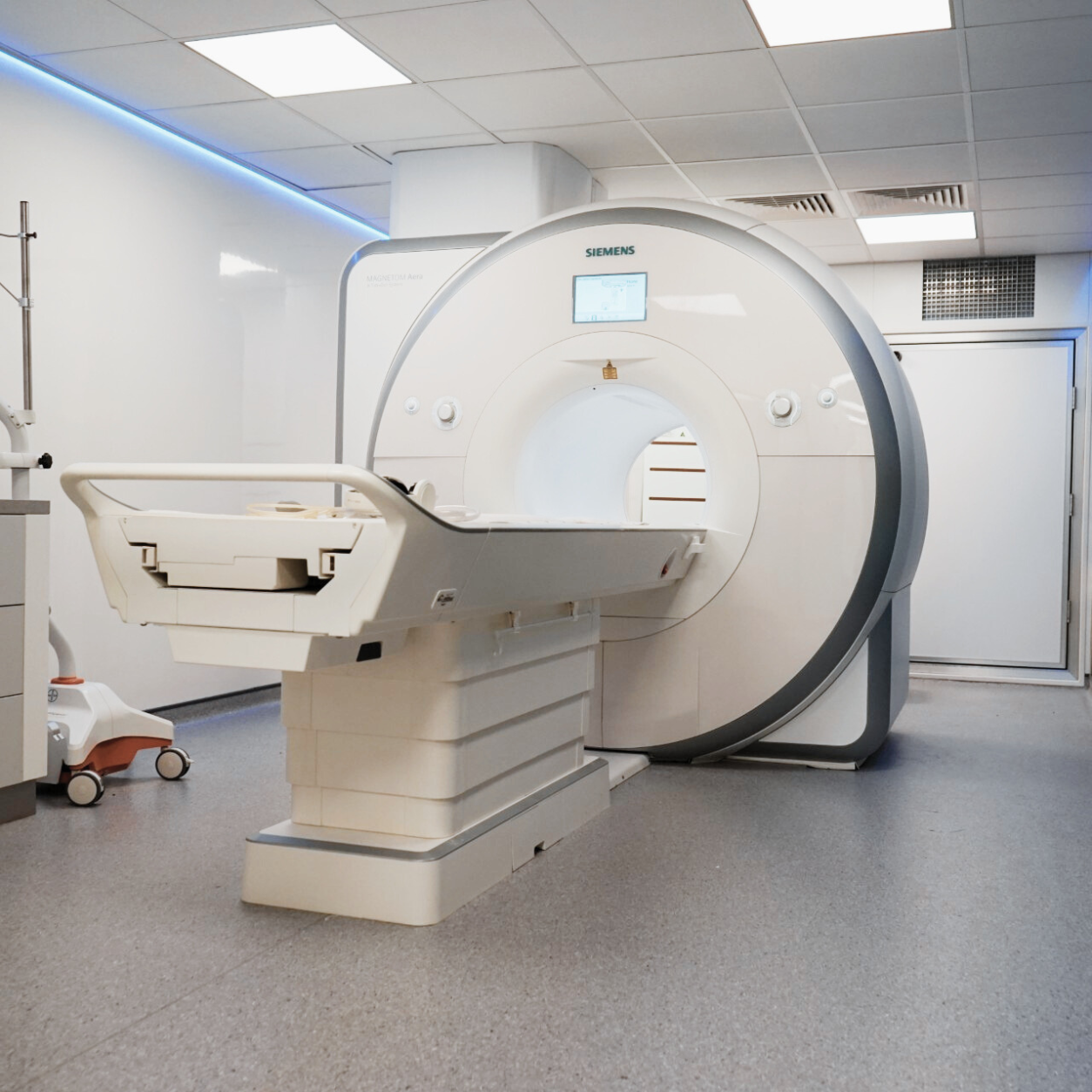
You will normally lie on the scanner table while the area of your spine being examined is positioned for imaging. During the scan you will need to keep as still as possible. The scanner makes loud tapping and mechanical sounds while the images are being acquired, and the team will communicate with you throughout.
The precise scan time and protocol depend on the body area and clinical question.
Is a spine MRI safe?
MRI does not use ionising X-ray radiation. It does, however, use a very powerful magnetic field, so safety screening is essential before anyone enters the scanner.
Tell the imaging team if you have an implanted medical device, previous surgery, metal in your body, or if you are or may be pregnant.
Some back-pain symptoms need urgent medical assessment rather than a routine private MRI booking. Seek urgent medical help if back pain is accompanied by new loss of bladder or bowel control, numbness around the genitals or saddle area, rapidly worsening weakness, or other severe or rapidly developing neurological symptoms. A private scan appointment should not delay emergency assessment.
Private spine MRI at Headingley Stadium
New Horizons Imaging provides private MRI scanning from AMT Headingley Rugby Stadium in Leeds.
If you are looking for a private MRI because back pain is continuing and you want to understand whether imaging could help, the first step is making sure the scan is clinically appropriate and targeted to the correct part of the spine.
Frequently asked questions about MRI for back pain
Still dealing with back pain? Speak to our Leeds MRI team.
If your symptoms are persisting and you are considering a private spine MRI, contact New Horizons Imaging or start the online booking process. If you are unsure whether you need a lumbar, cervical, thoracic or full-spine scan, speak to the team first so the appropriate pathway can be confirmed.